
Unwanted pests can quickly turn a comfortable home into a stressful environment. From ants invading the kitchen to mosquitoes buzzing around at night, household pests are more than just annoying—they can also pose serious health risks. Many pests carry bacteria, contaminate food, damage property, and create unhygienic living conditions.
Maintaining a pest-free home requires more than occasional spraying of insecticides. Effective pest control involves understanding the behavior of different pests, identifying their entry points, and using the right strategies to eliminate them safely. With the right approach, homeowners can prevent infestations and maintain a clean, comfortable living space.
This article explores practical pest control strategies for dealing with common household pests and offers tips for keeping your home protected year-round.
1. Identifying Common Household Pests
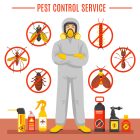
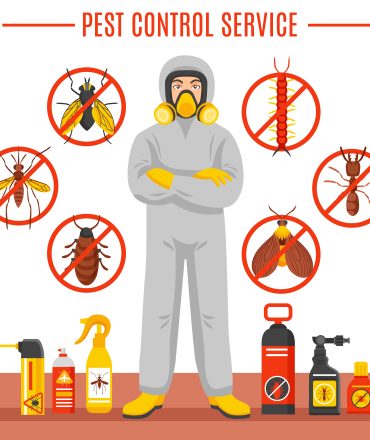
Different pests require different control methods. Some of the most common household pests include ants, cockroaches, mosquitoes, rodents, termites, and bed bugs.
Ants often appear in kitchens and pantries where food is easily accessible. Cockroaches thrive in warm, humid environments such as bathrooms and drains. Mosquitoes breed in standing water and can transmit diseases.
Rodents such as rats and mice often enter homes through small openings and can damage electrical wiring, furniture, and food supplies. Termites are especially dangerous because they silently destroy wooden structures within homes. Bed bugs, on the other hand, hide in mattresses and furniture and feed on human blood during the night. Each of these pests requires specific strategies for effective control.
2. Keeping Your Home Clean and Organized
Cleanliness plays a crucial role in preventing pest infestations. Many pests are attracted to leftover food, dirty dishes, and overflowing garbage bins. Regular cleaning reduces the chances of pests finding food sources inside the house. Sweeping floors, wiping kitchen counters, and properly storing food can significantly reduce pest activity.
Garbage bins should always have tightly sealed lids, and waste should be disposed of regularly. Cleaning areas behind appliances and furniture also helps eliminate hidden food particles that attract pests. An organized home with minimal clutter also reduces hiding places where pests can breed and multiply.
3. Sealing Entry Points Around the House
Pests often enter homes through small cracks, holes, and gaps around windows, doors, and pipes. Even tiny openings can provide access for insects and rodents.
Inspecting the house for potential entry points is an important part of pest control. Cracks in walls should be sealed, and damaged window screens should be repaired. Door sweeps can also help block gaps beneath doors where pests might enter. Pipes and vents should be checked for openings that allow rodents or insects to enter the home. By sealing these entry points, homeowners can significantly reduce pest invasions.
4. Controlling Ant Infestations
Ants are among the most common household pests. Once they discover a food source, they leave scent trails that attract other ants to the same location.
One effective way to control ants is by eliminating food sources. Keeping sugary foods sealed and cleaning up spills immediately can discourage ants from entering the home.
Natural solutions such as vinegar and lemon juice can help disrupt ant trails. Spraying these solutions along entry points can make it difficult for ants to find their way back. For persistent infestations, bait traps can be used to attract ants and eliminate the colony.
5. Eliminating Cockroaches
Cockroaches are resilient pests that thrive in dark and humid environments. They often hide behind refrigerators, under sinks, and inside cabinets. Reducing moisture levels is one of the most effective ways to control cockroach populations. Fixing leaking pipes and ensuring proper ventilation can make the environment less attractive to them.
Keeping food sealed and regularly cleaning kitchen areas also helps prevent cockroach infestations. In severe cases, insecticides or professional pest control treatments may be necessary.
6. Preventing Mosquito Breeding
Mosquitoes are not only irritating but also dangerous because they can transmit diseases. The key to controlling mosquitoes is eliminating standing water where they breed.
Common breeding sites include flower pots, clogged gutters, water storage containers, and outdoor buckets. Regularly emptying these containers can significantly reduce mosquito populations around the home. Installing window screens and using mosquito nets can also help protect household members from mosquito bites.
7. Managing Rodent Problems
Rodents such as rats and mice can cause significant damage in homes. They chew on electrical wires, contaminate food, and spread diseases.
The first step in rodent control is identifying and blocking entry points. Rodents can squeeze through surprisingly small openings, so sealing holes around walls and floors is essential.
Food should always be stored in sealed containers, and garbage should be disposed of properly. Traps can also be used to capture rodents that have already entered the house. Keeping storage areas tidy and removing clutter reduces the hiding places available to rodents.
8. Protecting Your Home from Termites
Termites are particularly destructive because they feed on wood and can weaken the structural integrity of buildings. Unfortunately, termite infestations often go unnoticed until significant damage has occurred.
Preventing termite infestations involves reducing moisture around wooden structures and avoiding direct contact between wood and soil. Regular inspections of wooden furniture, door frames, and structural beams can help detect early signs of termite activity.
Moreover, professional pest control services from a cleaning company like Kleenol are often recommended for termite treatment because specialized chemicals and techniques are required to eliminate colonies.
When to Consider Professional Pest Control
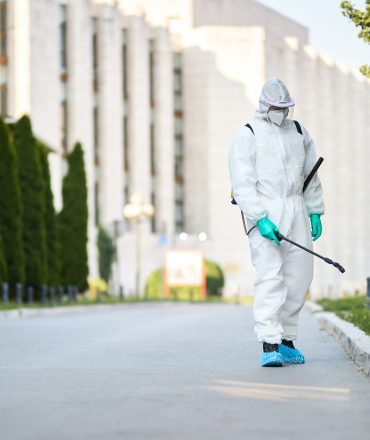
While many pest problems can be managed with simple home remedies, some infestations require professional assistance. Large termite colonies, severe bed bug infestations, and persistent rodent problems often need expert intervention.
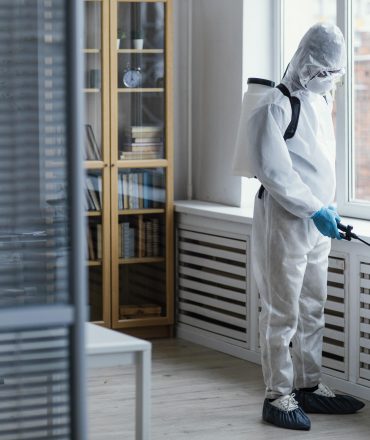
Professional pest control services such as Kleenol have access to specialized equipment and treatments that can effectively eliminate pests while minimizing risks to residents.
Hiring professionals can also provide long-term prevention strategies tailored to specific pest problems in your home.
Conclusion
A comfortable home should be a place of safety and relaxation, not a refuge for unwanted pests. By understanding the habits of common household pests and applying targeted control strategies, homeowners can protect their living spaces from infestations.
Simple practices such as maintaining cleanliness, sealing entry points, and removing food and water sources can significantly reduce pest problems. For more serious infestations, professional pest control services can provide effective solutions.