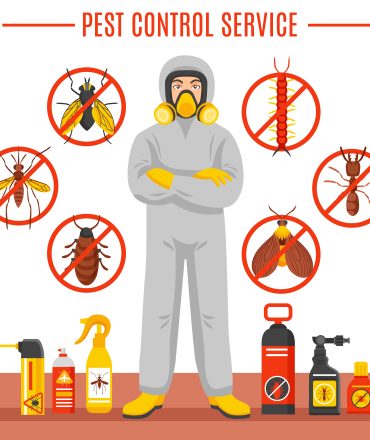

Pest control is a crucial aspect of maintaining a healthy and safe environment, the methods used can sometimes pose greater risks than pests themselves. Toxic fumigants, commonly used in pest control, can have devastating effects on human health, the environment, and non-target species.
Fumigants such as sulfuryl fluoride, methyl bromide, and phosphine are notable for their ability to eliminate pests quickly, penetrating spaces where other control measures are incapacitated. However, there are inherent risks associated with using these compounds that are designed to secure infrastructure, human food, and health when misused, over-applied, or poorly regulated.
Major Silent Killers of Using Toxic Fumigants in Pest Control
1. Respiratory Problems
Toxic fumigants can cause severe respiratory issues, including asthma, chronic obstructive pulmonary disease (COPD), and even lung cancer. Inhaling these chemicals can result in inflammation and damage to the lungs, making it difficult to breathe properly. Fumigants like sulfuryl fluoride are odorless or barely detectable, causing respiratory challenges or worse.
2. Neurological Damage
Some fumigants, such as methyl bromide, can cause neurological damage, including memory loss, headaches, and probably paralysis. Prolonged exposure can lead to long-term cognitive impairment and neurodegenerative diseases.
3. Cancer Risk
Many toxic fumigants are known carcinogens, increasing the risk of cancer in humans. Exposure to these chemicals has been linked to various types of cancer, including leukaemia, lymphoma, and brain cancer.
4. Environmental Contamination
Fumigants can contaminate the soil and air, harming non-target species and the ecosystem. This can lead to the decline of beneficial insects, birds, and other wildlife, disrupting the delicate balance of the ecosystem. These chemicals can also infiltrate groundwater to create persistent contamination hazards.
In other words, fumigants can reduce bacterial diversity and affect nitrogen-cycling functions for weeks after application. This can also eliminate natural pest predators, potentially leading to new, difficult-to-control infestations.
5. Food Chain Accumulation
Toxic fumigants can accumulate in the food chain, posing a risk to humans who consume contaminated food. This can lead to bioaccumulation of toxins, causing long-term health problems.
6. Accidental Exposure and Poisoning
Fumigants can cause accidental exposure and poisoning, especially in children and pets. Improper handling and storage of these chemicals can lead to tragic accidents.
What Are the Safer Alternatives to Toxic Fumigants?
Safer alternatives to toxic fumigants include:
- Integrated Pest Management: A holistic approach combining physical, cultural, and biological controls.
- Natural Pesticides: Derived from plants, animals, or microorganisms, these are often safer and more targeted.
- Non-Chemical Methods: Sealing entry points, trapping, and sanitation can be effective without chemicals.
Precautions and Regulations to Minimize Risks of Toxic Fumigants
1. Follow Safety Guidelines and Regulations
It is essential to adhere to safety guidelines and regulations to prevent contamination of the environment that may in turn affect humans around the area. This can include the permissible measure of chemicals that should be applied to the area where you want to control pests. Cleaning firms must also do well to train their staff from time to time on the best safety practices of pest control.
2. Wear Protective Gears When Handling Fumigants
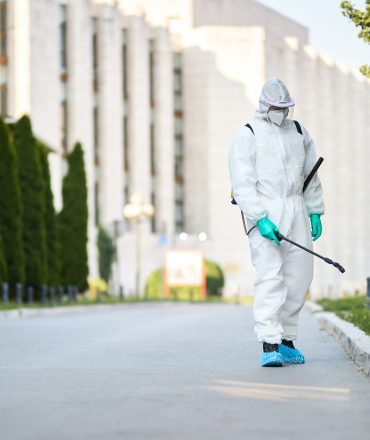
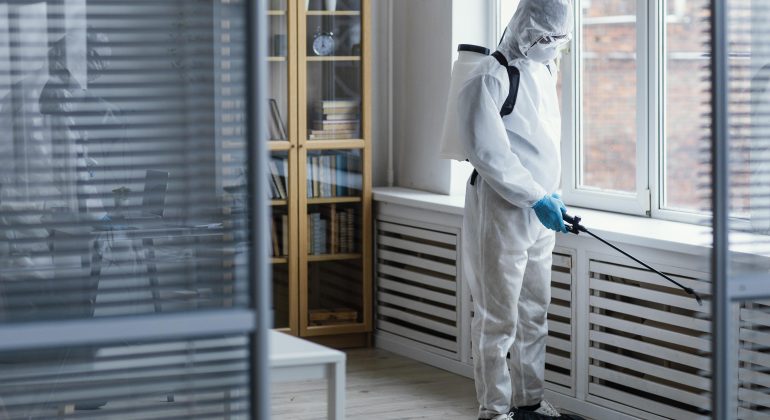
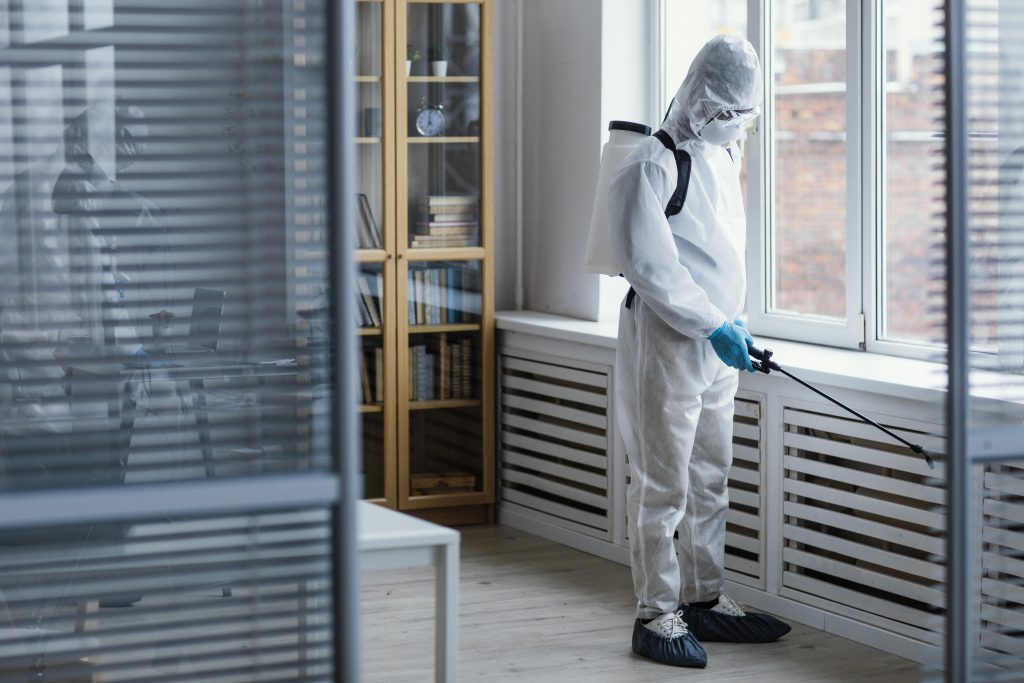
You must ensure to always use protective gear to prevent your body from being exposed to toxic fumigants. This is because some chemicals may be highly reactive when they touch your skin or dangerous when inhaled. Hence, employing protective equipment is important when pest control professionals are eliminating pests.
3. Ensure Proper Ventilation and Containment
It is imperative to adopt aeration protocols that allow proper ventilation when applying fumigants to infested areas. This prevents being choked with the toxic chemical that can result in neurological damage.
4. Choose Licensed and Certified Pest Control Professionals
You can employ the services of a licensed and certified pest control professional like Kleenol to achieve a safe and effective result. A cleaning firm like this knows its onions and how to cut them, enabling your environment to be rid of pests.
Conclusion
While pest control is essential, it is crucial to prioritize human health, environmental safety, and non-target species. With the understanding of the risks of toxic fumigants and the adoption of safer alternatives, we can create a healthier and more sustainable future.